Most safety toolbox talks fall flat. They’re rushed, repetitive, or feel like box-ticking exercises. Workers zone out. Supervisors read from templates. And hazards go unaddressed. But when done right, a safety toolbox talk isn’t just compliance—it’s a frontline defense against injury.
The best safety toolbox talk ideas don’t just inform—they spark conversation, reveal hidden risks, and build a culture where safety is owned by everyone. This isn’t about reciting policies. It’s about relevance, realism, and routine.
Let’s break down actionable, high-impact safety toolbox talk ideas that resonate with crews, adapt to changing conditions, and actually reduce risk.
What Makes a Good Safety Toolbox Talk?
A successful toolbox talk isn’t measured by how fast it’s completed—it’s measured by behavior change. The best ones are:
- Short (5–10 minutes)
- Specific to current tasks or conditions
- Interactive, encouraging worker input
- Visual, using photos, PPE, or equipment
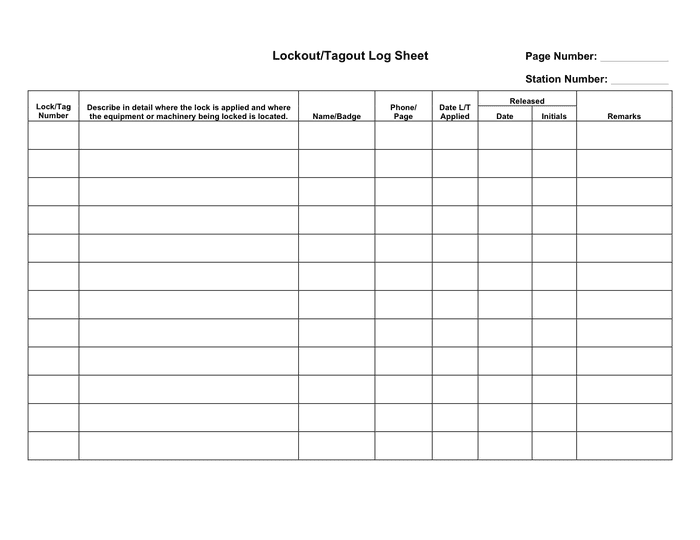
- Documented, with sign-in sheets or logs
Generic topics like “slip, trip, fall” lose impact over time. The key is relevance. If your crew is working at height today, talk about fall protection now, not last month’s confined space procedures.
Example: After a near-miss involving a ladder on a slick surface, one site ran a 7-minute talk using a photo of the actual ladder. Workers identified three fixes: placing sandbags at the base, assigning a spotter, and checking surface conditions before setup. The changes stuck because the hazard was fresh and visible.
10 High-Impact Safety Toolbox Talk Ideas (With Real-World Applications)
1. Near-Miss Reporting: Why Silence Is Dangerous
Most incidents have warning signs. Yet, near-misses are underreported. Use this talk to normalize reporting.
Discussion points: - Share an anonymous real near-miss from the site - Ask: “What would you have done?” - Clarify reporting channels and non-punitive policies
Pro tip: Rotate workers to share a close call weekly. Recognition (e.g., “Safety Spotlight”) boosts participation.
2. PPE Fit and Function: Beyond Just Wearing It
Wearing PPE isn’t enough. Is it the right type? Is it damaged? Is it adjusted correctly?
Hands-on activity: - Pass around damaged vs. well-maintained gloves, hard hats, or respirators - Demonstrate proper fit (e.g., seal check for masks)
Common mistake: Workers tuck hard hat straps under collars. Use a photo to show incorrect vs. correct wear.
3. Hazard Recognition: See It Before It Happens
Train crews to spot evolving risks.
Exercise: Show a photo of a real jobsite setup. Ask: - What hazards do you see? - What’s missing? (e.g., signage, barriers) - How would you correct it?
Rotate who brings the photo weekly—accountability increases vigilance.
4. Lifting Techniques: Not Just for Heavy Loads
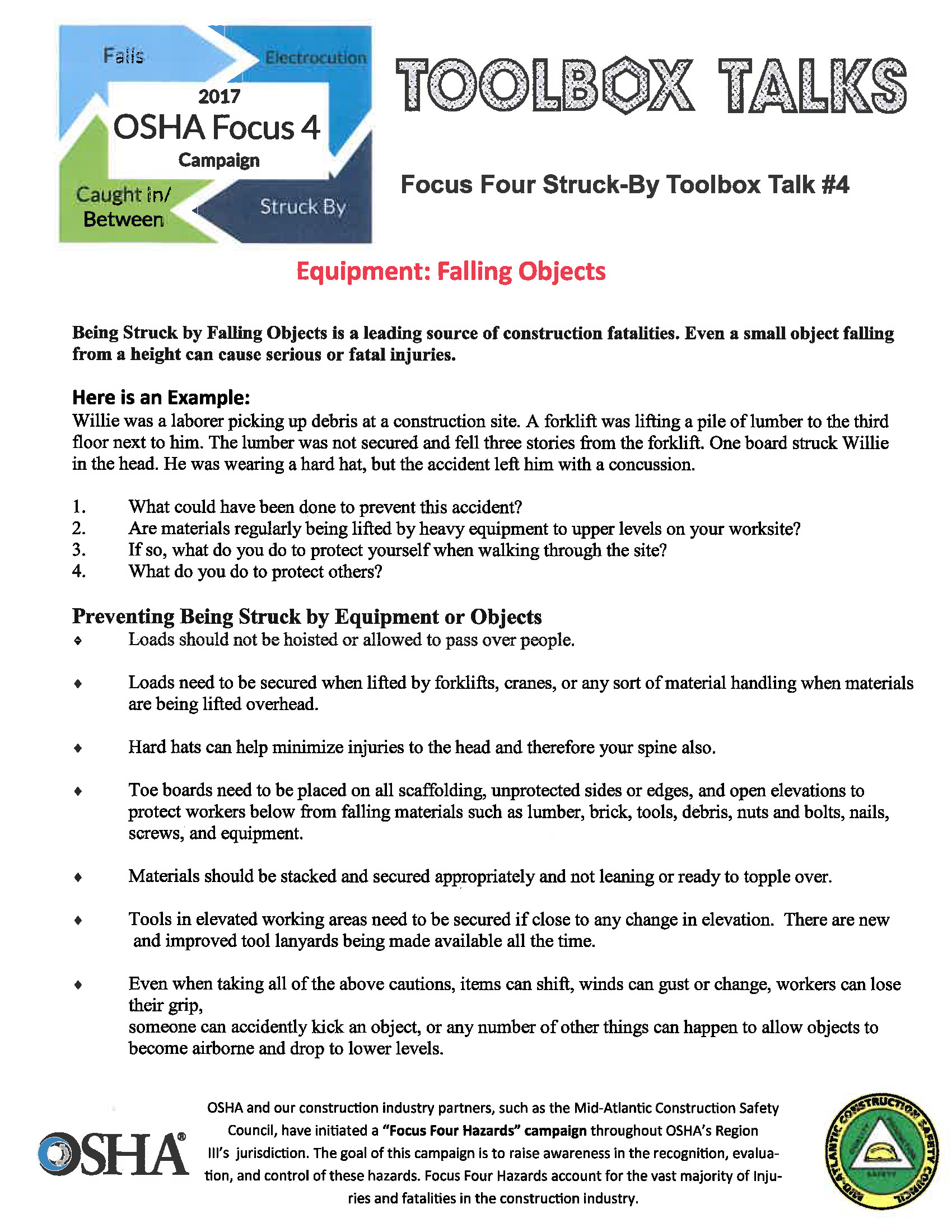
Back injuries don’t always come from lifting 100-pound pipes. Awkward postures, repetitive motion, and poor grip matter.
Talk focus: - Demonstrate neutral spine vs. rounded back - Use a tool or material to show proper lifting mechanics - Ask: “When today will you lift something—even light—that could strain your back?”
Real case: A technician injured his back reaching for a small tool off the floor. The fix? Keep frequently used items at waist level.
5. Weather-Related Hazards: Heat, Cold, and Wind
Conditions change daily. So should your safety focus.
Summer example: - Signs of heat stress - Hydration tips: water every 15 minutes in high heat - Buddy system for checking on each other
Winter: Frostbite risk on exposed skin, reduced dexterity in gloves, icy walkways.
Pro move: Tie this to the forecast. “Tomorrow hits 95°F—what adjustments will we make?”
6. Cord and Cable Safety: Tangled Wires, Real Risks
Trip hazards, electrical faults, damaged insulation—cords are often overlooked.
Talk structure: - Show a photo of poorly managed cords - Walk through inspection checklist: fraying, exposed wires, improper grounding - Assign cord management roles for each crew
Rule of thumb: If a cord feels warm during use, shut it down and inspect.
7. Excavation and Trenching: One Collapse Is One Too Many
Trench incidents are rare but catastrophic. Reinforce protocols before digging starts.
Key points: - Verify soil type and shoring requirements - Never enter an unprotected trench over 5 feet deep - Use a spotter when equipment is near edges
Visual aid: Use a diagram showing proper benching, shoring, and sloping methods.
8. Night Work Safety: Visibility and Fatigue
Low light, fatigue, and disrupted routines increase risk.
Discussion: - Is high-vis clothing clean and reflective? - Are work zones properly lit? - How does night work affect alertness?
Tip: Encourage crews to assess fatigue using the “10-second test”—if you can fall asleep that fast, you’re too tired.
9. Hot Work Permits: Fire Prevention in Action
Welding, cutting, grinding—heat creates fire risk.
Focus areas: - Confirm fire watch is assigned and equipped - Check for flammable materials within 35 feet - Review permit requirements and shutdown procedures
Common gap: Workers assume “it’s just a quick weld”—reinforce that duration doesn’t reduce risk.
10. Mental Focus and Distraction: The Invisible Hazard
Fatigue, stress, and personal issues impair judgment.
Sensitive but critical talk: - Normalize mental well-being as part of safety - Train crews to recognize distracted or disengaged coworkers - Promote EAP (Employee Assistance Program) use without stigma
Phrase to use: “If you’re not 100% here today, speak up. We’ve got your back.”
How to Structure a Toolbox Talk That Sticks

A predictable format keeps talks efficient and effective. Use this flow:
- Hook (0:30) – Start with a question, photo, or recent incident
- Topic (1:00) – Name the hazard and why it matters today
- Discussion (3:00) – Engage the team: “What have you seen?”
- Best Practice (1:30) – Show the right way (demo, visual, video)
- Action Step (0:30) – “Today, I want each of you to check…”
- Sign-off (0:30) – Log attendance, note feedback
Avoid: Reading slides. Instead, talk to your crew, not at them.
Common Mistakes That Undermine Toolbox Talks
Even well-intentioned talks fail when these errors creep in:
- Repetition without variation: Talking about PPE every week with no new angle breeds complacency.
- Lack of follow-up: If workers suggest improvements, but nothing changes, trust erodes.
- One-size-fits-all topics: An office crew doesn’t need fall protection; a roofing team doesn’t need ergonomics for desk work.
- No documentation: Without logs, you can’t prove training occurred during audits.
- Only the supervisor talks: Silence from the crew means disengagement.
Fix it: Assign a different worker each week to co-lead. Rotate ownership builds accountability.
Integrating Toolbox Talks Into Daily Workflow
The best safety cultures don’t “do” toolbox talks—they live them.
Practical integration tips:
- Schedule right: Hold talks before task start, not after roll call.
- Use real-time triggers: Weather changes, equipment delivery, or a new crew rotation.
- Link to JSA (Job Safety Analysis): Align talks with active task risks.
- Digital tools: Use apps like iAuditor or SafetyCulture to log talks, assign follow-ups, and track trends.
Example: A construction crew uses a tablet to scan a QR code at each work zone, pulling up zone-specific safety reminders and logging attendance automatically.
Making Safety Personal, Not Procedural
The most powerful toolbox talks connect safety to personal values.
Ask: - “Who are you going home to tonight?” - “What would missing work do to your family?” - “How can we look out for each other?”
These questions shift safety from compliance to care. One superintendent started ending talks with: “Look to your left, look to your right. Make sure both of them go home whole.” Attendance and engagement soared.
Close With Action, Not Just Awareness
A great safety toolbox talk ends with a clear next step.
Don’t say: “Be careful out there.” Do say: “Before you start, check your harness anchor point. If it’s not rated, stop and tag it.”
Safety isn’t about fear—it’s about preparation. Use these toolbox talk ideas to build teams that don’t just hear the message, but live it. Start tomorrow: pick one topic, bring a real example, and ask your crew for their input. That’s how culture changes—one conversation at a time.
Frequently Asked Questions
What are examples of good toolbox talk topics? Fall protection, PPE inspection, heat stress, near-miss reporting, lifting techniques, and weather-related hazards are all high-impact topics when tied to current work.
How long should a toolbox talk last? Ideally 5 to 10 minutes. Focus on one specific hazard and keep it interactive.
Who should lead a toolbox talk? Supervisors typically lead, but rotating crew members into the role increases engagement and ownership.
Do toolbox talks need to be documented? Yes. Attendance logs and topic records support compliance and help track safety trends over time.
Can toolbox talks reduce workplace incidents? When done consistently and relevantly, yes. They increase hazard awareness and encourage proactive risk mitigation.
Should toolbox talks be the same every week? No. Rotate topics based on current tasks, season, or recent incidents to maintain relevance.
How can I make toolbox talks more engaging? Use photos, real examples, hands-on demos, and open-ended questions. Let workers share experiences.
FAQ
What should you look for in Safety Toolbox Talk Ideas That Teams Actually Engage With? Focus on relevance, practical value, and how well the solution matches real user intent.
Is Safety Toolbox Talk Ideas That Teams Actually Engage
With suitable for beginners? That depends on the workflow, but a clear step-by-step approach usually makes it easier to start.
How do you compare options around Safety Toolbox Talk Ideas That Teams Actually Engage With? Compare features, trust signals, limitations, pricing, and ease of implementation.
What mistakes should you avoid? Avoid generic choices, weak validation, and decisions based only on marketing claims.
What is the next best step? Shortlist the most relevant options, validate them quickly, and refine from real-world results.