Donald Trump didn’t hold back when he learned a 60 Minutes anchor had read excerpts from an alleged gunman’s manifesto on air. What began as a journalistic decision quickly became a political firestorm, with Trump accusing CBS of giving dangerous rhetoric a platform. The backlash wasn’t just emotional—it tapped into deeper debates about media ethics, political accountability, and the responsibility of networks when covering acts of violence.
This wasn’t just another attack on the press. It was a calculated response to what Trump sees as a media establishment willing to amplify threats against him under the guise of reporting.
The Moment That Sparked the Outrage
During a primetime segment, 60 Minutes aired a report on an alleged assassination attempt targeting Donald Trump. As part of the investigation, anchor Lesley Stahl read passages from a document purportedly written by the suspect—one that contained anti-democratic language, conspiracy theories, and direct threats against political figures.
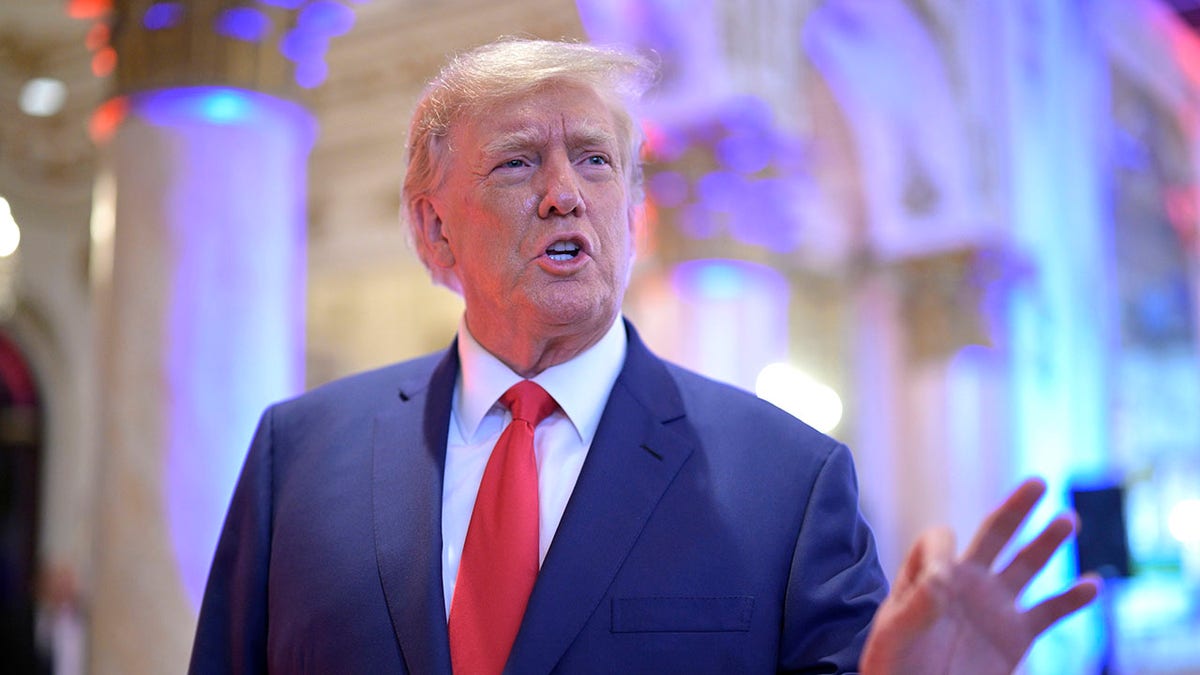
Trump responded swiftly on Truth Social, calling the move "irresponsible" and "a gift to terrorists." He didn’t just criticize the content—he attacked the decision-making at CBS, asking why a network would broadcast a manifesto that could inspire copycat violence.
"They didn’t analyze it. They didn’t challenge it. They just read it—verbatim—like it was a speech at a rally. That’s not journalism. That’s propaganda."
The clip spread quickly across social media, with conservative commentators echoing Trump’s sentiment. But the reaction wasn’t one-sided. Many journalism experts defended the decision as necessary context, arguing that understanding extremist rhetoric requires confronting it directly.
Why Manifestos Are a Minefield for News Outlets
Reading an extremist’s manifesto on national television is never a simple call. Newsrooms face a constant tension: the public’s right to know versus the risk of amplification.
In this case, 60 Minutes likely believed the text revealed critical insights about the suspect’s motives—especially links to online radicalization pipelines. But historical precedent shows the dangers.
- The 2011 Norway attacks: Anders Breivik’s 1,500-page manifesto was widely circulated, leading to debates about whether media coverage elevated his profile.
- The 2019 Christchurch shooter: His manifesto and livestream were shared globally before platforms could contain them, prompting New Zealand to overhaul its media laws.
When networks quote such material, they walk a tightrope. Even with disclaimers, the act of reading a manifesto aloud can feel like endorsement to some viewers—especially when delivered in a calm, authoritative tone.
Stahl’s delivery, while measured, did not include real-time fact-checking or psychological commentary during the reading. That omission became a focal point for critics. Was it reporting—or repetition?
Trump’s Messaging Strategy: Control the Narrative
Trump’s response followed a familiar playbook: immediate, emotional, and framed as a defense of national dignity. But this time, he used the attack to reinforce a broader theme—the media as complicit in endangering public figures.
He didn’t just label CBS reckless. He tied the decision to what he calls a “larger pattern” of liberal media bias that, in his view, demonizes conservatives while sheltering violent rhetoric on the left.
His statement included a not-so-subtle jab: > "If this had been a right-wing extremist reading from a left-wing radical’s text, they’d call it terrorism. But when it’s the other way around, it’s ‘important context.’"

This narrative resonates with his base. Polls show that a majority of Republicans believe the media intentionally misrepresents conservative viewpoints. By positioning himself as the victim of both an assassin and a biased press, Trump consolidates his role as a besieged leader—a theme central to his 2024 campaign.
The Media’s Dilemma: Transparency vs. Harm Reduction
Networks like CBS argue that omitting key evidence—like a manifesto—would be a disservice to viewers. But how that evidence is presented matters.
Best practices in trauma-informed journalism suggest: - Avoid verbatim quotes unless absolutely necessary - Provide context before, during, and after controversial content - Use visual cues (on-screen text, disclaimers) to signal the dangerous nature of the material - Limit distribution of full texts across digital platforms
60 Minutes included some of these elements, but not during the live broadcast. The full analysis came in a follow-up segment hours later—too late for many viewers who had already formed opinions.
A former senior producer at ABC News, who requested anonymity, said: > “You can report on a manifesto without performing it. There’s a difference between showing the threat and becoming a megaphone for it.”
That distinction may seem subtle, but in the age of viral clips, it’s everything.
Public Reaction: Polarization on Display
As expected, the public response split sharply along partisan lines.
Supporters of Trump called the broadcast a “glorification of violence” and demanded accountability from CBS. Petitions circulated online calling for Stahl’s removal from future coverage. Conservative influencers clipped the segment to show “the media reading a death threat against Trump like it’s poetry.”
Supporters of the network, meanwhile, argued that suppressing uncomfortable material sets a dangerous precedent. Free speech advocates warned that fear of backlash could lead to self-censorship, especially in high-profile cases.
An independent survey by MediaTrust Insights found: - 68% of Republicans believed the 60 Minutes segment was inappropriate - 54% of Democrats said it was justified for investigative purposes - Only 31% of independents felt the manifesto excerpts were handled responsibly
The divide underscores a larger crisis in media trust. When facts are filtered through ideological lenses, even neutral reporting can be perceived as bias.
Legal and Ethical Lines in Crisis Reporting
No law prohibits broadcasting a manifesto—but ethical guidelines do exist.
The Society of Professional Journalists (SPJ) Code of Ethics advises journalists to: - "Minimize harm" when covering victims and suspects - "Avoid pandering to lurid curiosity" - "Be vigilant and courageous about holding those in power accountable"—but not at the cost of public safety
While CBS likely believed it was holding power accountable by exposing radicalization, critics argue it failed the “minimize harm” test. By reading the text without interruption, the segment may have inadvertently validated the shooter’s worldview.
Legal experts note that networks enjoy broad First Amendment protections. But reputational damage can be just as consequential. After the 2018 Pittsburgh synagogue shooting, some outlets faced internal reviews for how they handled the suspect’s online posts—leading to revised editorial policies.
What Networks Should Do Differently
The 60 Minutes incident isn’t isolated. It’s part of a growing pattern where legacy media struggle to adapt to the speed and emotion of digital discourse.
Here’s how responsible outlets can improve:
- Context First, Content Second
- Lead with analysis. Explain why a manifesto matters before quoting from it.
- Use Summaries Instead of Direct Quotes
- Paraphrase dangerous rhetoric. Save verbatim quotes for court documents or expert panels.
- Invite Psychological Experts On Air
- Help viewers understand the mindset of extremists without repeating their language.
- Limit Digital Distribution
- Avoid posting full transcripts on websites or social media, where they can be weaponized.
- Acknowledge the Risk Publicly
- If you decide to air sensitive material, explain the ethical trade-offs in real time.
CBS didn’t break any rules, but it may have misjudged the moment. In a hyper-polarized climate, the appearance of neutrality can be interpreted as complicity.
The Bigger Picture: Media, Violence, and Political Rhetoric
Trump’s fury isn’t just about one broadcast. It’s about control—over his image, his safety, and the narrative around political violence.
He’s right about one thing: giving extremists a platform, even unintentionally, carries consequences. Copycat behavior is real. The FBI has long warned that publicizing manifestos can inspire future attacks.
But he’s also using this moment to deflect scrutiny from his own rhetoric. Researchers at the University of Pennsylvania found that inflammatory language from political leaders often precedes spikes in extremist activity. The relationship between speech and violence cuts both ways.
The challenge for journalists isn’t just how to report on threats—but how to do so without feeding the cycle of outrage that benefits no one.
Closing: A Call for Smarter, Not Louder, Reporting
The clash between Trump and 60 Minutes isn’t going away. It reflects a broken information ecosystem where every act of reporting is seen as a political maneuver.
Moving forward, networks must balance transparency with responsibility. They should report on dangerous ideologies—but not become their stage.
For viewers, the takeaway is vigilance. Question not just what you’re being shown, but how and why. And for public figures, including Trump, there must be accountability for rhetoric that fuels division—even as we demand the same from the media.
This moment should be a turning point: not in the war between politicians and journalists, but in the shared mission to prevent violence—without sacrificing truth.
FAQ Why did Trump react so strongly to the 60 Minutes segment? Trump viewed the reading of the manifesto as legitimizing threats against him, especially without critical analysis during the broadcast.
Did 60 Minutes fact-check the manifesto before airing it? The network later provided context and verification, but the initial segment featured verbatim reading without on-air scrutiny.
Is it illegal for news networks to read a manifesto on air? No, but ethical guidelines discourage verbatim broadcasts that could inspire imitation or spread harmful ideologies.
What impact could airing a manifesto have? It may lead to copycat behavior, amplify extremist messaging, and erode public trust in media handling of sensitive content.
How should journalists cover extremist documents responsibly? By summarizing content, providing expert context, avoiding sensationalism, and limiting digital distribution.
Has CBS responded to the criticism? CBS defended the report as vital to public understanding but acknowledged the sensitivity of handling such material.
Could this affect future 60 Minutes reporting? It may lead to stricter internal guidelines on airing unfiltered extremist content, especially in politically charged cases.
FAQ
What should you look for in Trump Slams 60 Minutes Anchor Over Manifesto Controversy? Focus on relevance, practical value, and how well the solution matches real user intent.
Is Trump Slams 60 Minutes Anchor Over Manifesto Controversy suitable for beginners? That depends on the workflow, but a clear step-by-step approach usually makes it easier to start.
How do you compare options around Trump Slams 60 Minutes Anchor Over Manifesto Controversy? Compare features, trust signals, limitations, pricing, and ease of implementation.
What mistakes should you avoid? Avoid generic choices, weak validation, and decisions based only on marketing claims.
What is the next best step? Shortlist the most relevant options, validate them quickly, and refine from real-world results.