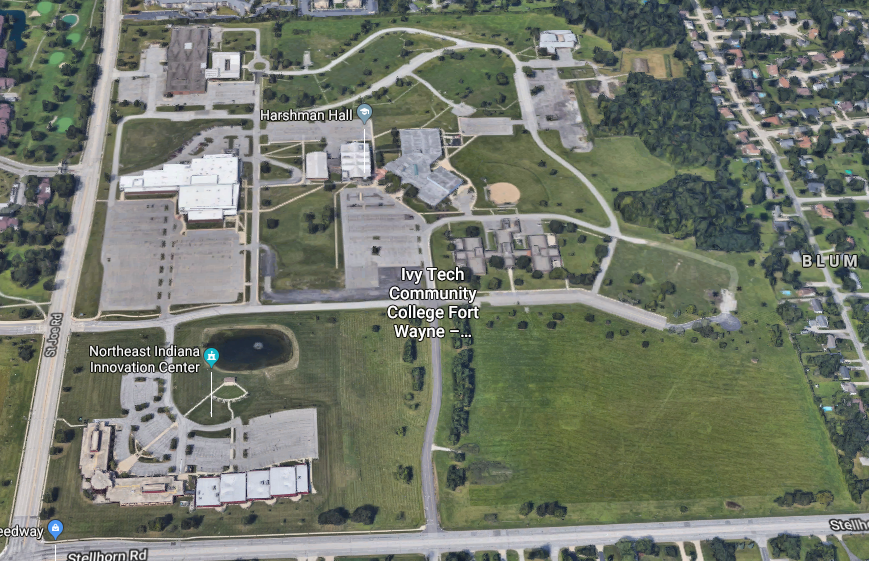
Navigating a new college campus can be overwhelming—especially when you're rushing to your first class, hunting for a specific office, or trying to find parking on a busy morning. At Ivy Tech Fort Wayne, the sprawling layout across multiple buildings and parking zones often leaves students and guests disoriented without a clear, reliable map. While digital tools exist, many fall short of showing real-time footpaths, service locations, or accessible routes. This guide delivers what those maps often miss: practical navigation intelligence, building-by-building insights, and smart strategies for moving efficiently across the Fort Wayne campus.
Why the Official Ivy Tech Fort Wayne Campus Map Matters
The official campus map isn't just a digital image—it's a critical tool for academic success and daily efficiency. Students who arrive early and get lost risk missing orientation sessions. Faculty need to direct guests accurately. Visitors searching for advising centers or testing labs can waste valuable time circling parking lots.
Ivy Tech Fort Wayne’s main campus spans over 100 acres at 3800 N. Anthony Boulevard. The official map, available through the college’s website, outlines academic buildings, student services, parking zones, and ADA-accessible pathways. But simply downloading the PDF isn’t enough. The real value comes from understanding how to use the map in real-world scenarios.
For example, if you're attending a nursing lab in the H-lab building but your car is parked in Lot F near the Student Commons, the map shows proximity—but not whether it’s faster to cut through the courtyard or take the sidewalk along Anthony Boulevard. Real navigation requires spatial awareness beyond the static lines on a page.
Key Buildings You Need to Know (And Where to Find Them)
Even with a map, pinpointing services inside the right building is half the battle. Here’s a breakdown of the most frequently visited locations and how they appear on the Ivy Tech Fort Wayne campus map:
#### Academic and Lab Buildings - A Building (Administrative & Advising): Central hub for admissions, financial aid, and academic advising. Easily visible from the main entrance off North Anthony. Labeled clearly on the map with icon markers for service desks. - B Building (Classrooms): Primary location for general education courses—English, math, social sciences. Connected via covered walkway to the A Building. - H Building (Health Sciences): Home to nursing, radiography, and medical programs. Features simulation labs and clinical prep rooms. Often marked with a medical cross icon on the map. - T Building (Technical Programs): Houses HVAC, electrical, and automotive technology labs. Located near the east edge of campus with direct vehicle access for student projects.
#### Student Life and Support - Student Commons (SC Building): The social center. Includes the cafeteria, bookstore, student lounge, and IT help desk. Central on the map, often color-coded in blue. - Library and Learning Resource Center (LRC): Offers quiet study zones, tutoring, and computer access. Adjacent to the B Building—check map for designated printer stations and reservable study rooms.
#### Administrative and External Access - Public Safety Office: Located in the A Building, but exterior emergency phones are plotted on the map near parking lots and building exits. - WorkOne Career Center: Found within the SC Building. Job seekers should look for “Career Services” tags on interactive versions of the map.
When using the campus map, cross-reference building abbreviations (e.g., “H” for Health Sciences) with your class schedule or appointment notice. Misreading “T” for “Tech” as “Theater” could send you to the wrong wing—wasting time and increasing stress.
Parking Made Simple: Zones, Permits, and Peak Times

The campus map includes color-coded parking lots—F, G, H, and visitor zones—but doesn’t always explain the rules clearly. This is where students make costly mistakes.
- Lot F (Faculty/Staff): Restricted after 5 p.m. Students can often use it in evenings and weekends. Daytime use without a permit risks a $35 fine.
- Lot G (General Student Parking): Largest and most accessible from North Anthony. Fills up by 8:15 a.m. during fall and spring semesters.
- Lot H (Health Sciences & Late Classes): Reserved for students in clinical programs with late labs. Tagged on the map with a medical symbol.
- Visitor Parking (Near A and SC Buildings): Limited spaces with 2-hour limits. Ideal for advising appointments or campus tours.
Pro Tip: Arrive before 7:45 a.m. to secure a spot in Lot G. If you’re consistently late, consider parking in the overflow lot west of the T Building and walking—it’s about a 7-minute trek, clearly marked on the walking paths layer of the map.
Students with disabilities must register with the Office of Adaptive Technology and display valid placards. Accessible parking spots are mapped near all main entrances, but some (like those near the H Building) are frequently blocked—report violations to Public Safety.
Digital vs. Printed Maps: Which One Should You Use?
Ivy Tech offers both downloadable PDFs and an interactive web map. Each has strengths and limitations.
Digital Map (Interactive Web Version) - Pros: - Searchable by building name or service (e.g., “testing center”) - Zoomable floor plans for select buildings - Mobile-friendly with GPS syncing - Cons: - Requires internet access—unreliable in basement labs - Not all service desks appear in the search index - Floor indicators (1st vs. 2nd level) can be unclear
Printed PDF Map - Pros: - Always accessible offline - Clear legend for building codes and parking zones - Can be annotated with personal notes - Cons: - No real-time updates (e.g., closed pathways during construction) - Static view doesn’t show indoor navigation
Best Practice: Download the PDF to your phone and bookmark the interactive map. Use the digital version for planning, the printed version as a backup. For new students, tape a mini-map inside your notebook with sticky flags on your most-visited spots.
Common Navigation Mistakes (And How to Avoid Them)
Even with a map, students get tripped up by predictable issues:
- Assuming All Entrances Are Open
- Some building doors (especially in the B and H Buildings) lock after 6 p.m. Access shifts to main lobbies. Check the map’s “Primary Entry” icons to avoid knocking on closed doors.
- Ignoring Weather Pathways
- During winter, uncovered sidewalks become icy. The map shows “covered walkways” with dashed lines—stick to those when snow is on the ground.
- Overlooking Service Relocations
- The advising office moved from B102 to A150 in 2023. The updated map reflects this, but older print copies don’t. Always verify room numbers online before heading out.
- Misreading One-Way Paths
- During peak move-in days, traffic flow changes. Temporary signage overrides the standard map—follow staff direction over static guides.
- Relying Solely on Google Maps
- Google drops the pin near the campus entrance but doesn’t differentiate between buildings. Use it to reach campus, then switch to the Ivy Tech map for on-site navigation.
How to Use the Campus Map for Class Planning
Smart students don’t just find their classrooms—they plan routes between them. If your schedule jumps from a 9 a.m. math class in B110 to a 10:15 biology lab in H205, give yourself at least 10 minutes between sessions.
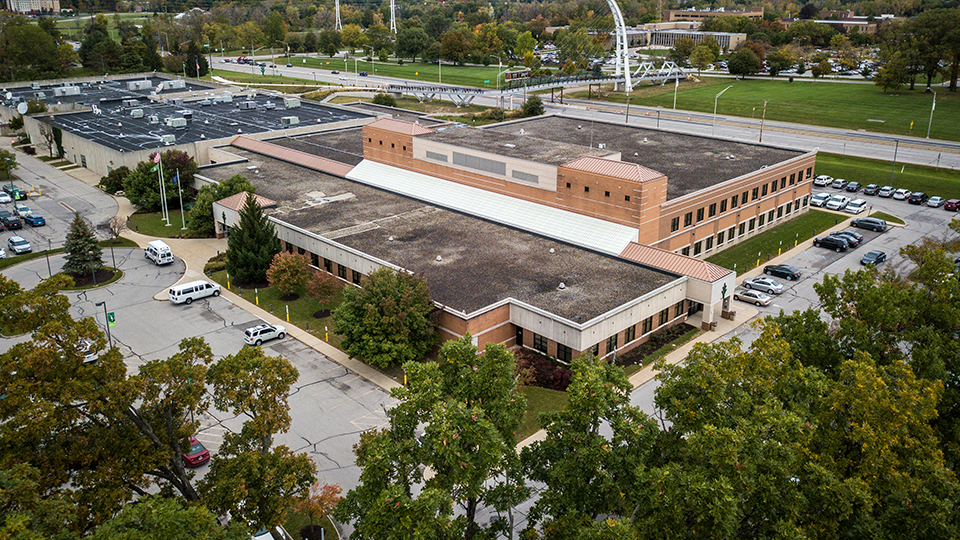
Use the campus map to: - Measure walking distance between buildings - Identify indoor shortcuts (e.g., the skywalk from A to B) - Locate nearby restrooms, water fountains, and study nooks
Example: A student with back-to-back classes in the T and H Buildings might save time exiting T through the east door and cutting across the service yard (marked on map as a service road) instead of looping around the parking lots.
Also, print or save a copy of your class schedule with building abbreviations highlighted. Tape it to your ID card or save it in your phone’s widget stack for quick reference.
Real-World Use Cases: Scenarios Where the Map Saves Time
Case 1: New Student Orientation First-time attendees receive a paper map at check-in—but many don’t use it until they’re lost. Pro move: Study the map before arrival. Note the A Building as your anchor point, then branch out.
Case 2: Taking the TEAS Exam The testing center is in the LRC, Room L120. Visitors often circle Lots F and G, not realizing the south entrance of the LRC faces Lot H. The map shows this, but only if you zoom in.
Case 3: Automotive Lab Drop-Off Students in the auto tech program must bring vehicles to the T Building bay doors. The main map doesn’t show service access—look for the “Vehicle Entry” symbol on the facility-specific layout.
Case 4: Evening Class Commute If your class starts at 6:30 p.m., Lot F opens to students. Use the map to confirm access points—don’t assume all gates are unlocked.
These scenarios prove that map literacy isn’t just about reading symbols. It’s about anticipating needs and aligning them with the layout.
Final Tips for Mastering Campus Navigation
- Download the Ivy+ App: Integrates the campus map with class schedules, alerts, and emergency notifications.
- Carry a Mini Map: Shrink the PDF to 50% and keep it in your wallet.
- Use Landmarks: The clock tower near the A Building, the red awning at the bookstore—these help orient you faster than map coordinates.
- Ask for Help Early: Campus ambassadors wear bright vests and carry maps. Don’t walk in circles for 15 minutes.
The Ivy Tech Fort Wayne campus map is more than a reference—it’s a tool for reducing stress, saving time, and focusing on what matters: your education. Treat it like a daily planner. Mark it up. Know it cold.
When you step on campus, you shouldn’t be guessing where to go. With the right map strategy, you’ll move with confidence from day one.
FAQ
Where can I find the official Ivy Tech Fort Wayne campus map? The official map is available on the Ivy Tech Fort Wayne website under “Campus Locations” or by searching “Ivy Tech Fort Wayne campus map” in the site’s search bar.
Are parking permits required at Ivy Tech Fort Wayne? Yes, students must register their vehicles through the Public Safety office. Daily permits are available for visitors at kiosks in Lots F and G.
Does the campus map show building floor plans? The interactive web map includes floor plans for the A, B, and SC buildings. Other structures have exterior-only views.
Is the campus walkable in winter? Yes, but some paths are uncovered. The map highlights covered walkways—prioritize those during snow or ice events.
Are there bike racks on campus? Yes, bike racks are located near the A, B, SC, and H buildings. Check the map for “bike symbol” markers.
Can I use GPS to navigate inside buildings? No, GPS is unreliable indoors. Use the map’s room numbering system and signage for indoor navigation.
How often is the campus map updated? The map is reviewed annually and updated for major construction, building changes, or new facilities. Check the version date on the PDF.
FAQ
What should you look for in Ivy Tech Fort Wayne Campus Map Guide and Navigation Tips? Focus on relevance, practical value, and how well the solution matches real user intent.
Is Ivy Tech Fort Wayne Campus Map Guide and Navigation Tips suitable for beginners? That depends on the workflow, but a clear step-by-step approach usually makes it easier to start.
How do you compare options around Ivy Tech Fort Wayne Campus Map Guide and Navigation Tips? Compare features, trust signals, limitations, pricing, and ease of implementation.
What mistakes should you avoid? Avoid generic choices, weak validation, and decisions based only on marketing claims.
What is the next best step? Shortlist the most relevant options, validate them quickly, and refine from real-world results.